Why Medical Documentation Matters More Than Ever in Healthcare
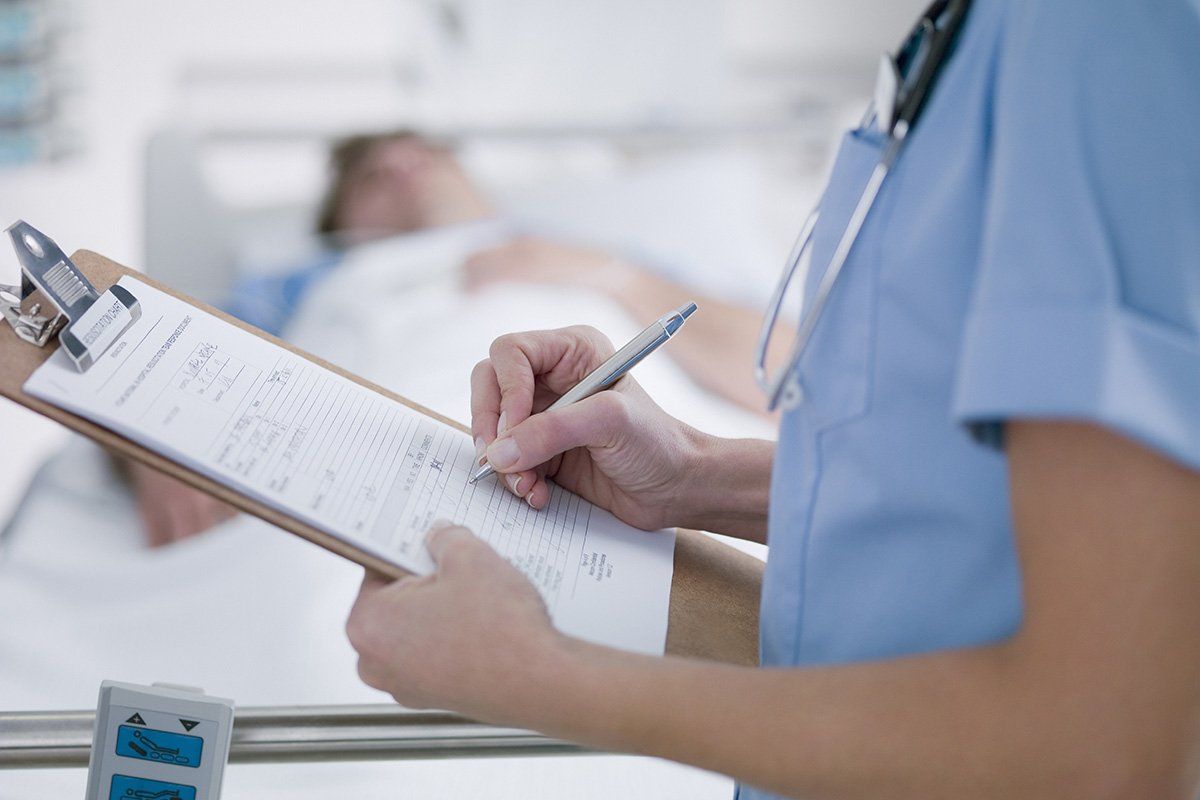
Blog banner image representing medical documentation and healthcare record-keeping
: IQCTS Academy
: 2026-09-05
Why Medical Documentation Matters More Than Ever in Healthcare
Walk into any hospital, clinic, or diagnostic centre today, and you'll notice something happening quietly in the background — behind every consultation, every test result, and every treatment plan. It's the process of recording, organising, and maintaining patient health information accurately. This process is called medical documentation, and it has quietly become one of the most critical functions in modern healthcare.
For decades, documentation was seen as a purely administrative task — something doctors and nurses did after the "real work" of treating patients was done. That perception has changed dramatically. As healthcare systems grow more complex, more digital, and more accountable, medical documentation has moved from the background to the foreground of patient care.
In this blog, we'll explore why medical documentation matters more than ever, how it shapes patient outcomes, and why it has become one of the most promising non-clinical career paths for graduates today.
What Exactly is Medical Documentation?
At its core, medical documentation refers to the systematic recording of a patient's medical history, symptoms, diagnosis, treatment plans, medications, and follow-up care. It includes everything from doctor's notes and discharge summaries to lab reports and insurance-related paperwork.
Good medical documentation isn't just about writing things down — it's about writing them down correctly, clearly, and consistently, so that any healthcare professional who accesses the record later can understand the patient's condition without confusion or ambiguity.
This is where trained professionals, often called medical scribes or medical transcriptionists, play a vital role. They translate spoken or handwritten clinical information into structured, accurate health records.
The Growing Importance of Medical Documentation
1. Patient Safety Depends on It
Every year, thousands of medical errors occur due to incomplete or inaccurate patient records. A missed allergy note, an incorrect dosage entry, or an unclear diagnosis can have serious consequences. Proper medical documentation acts as a safety net — ensuring that every healthcare provider involved in a patient's care has access to the same accurate information.
When documentation is done right, doctors can make faster, more informed decisions. When it's done poorly, patient safety is put at risk. This single reason is why hospitals today are investing heavily in skilled documentation professionals rather than treating it as an afterthought.
2. It Supports Continuity of Care
Patients rarely see just one doctor throughout their treatment journey. They move between general physicians, specialists, diagnostic labs, and sometimes multiple hospitals. Without proper medical documentation, this journey becomes fragmented — each provider would be working with partial information.
Accurate documentation ensures continuity. A cardiologist reviewing a patient's file can instantly understand what a general physician noted months earlier. This seamless flow of information ultimately leads to better treatment outcomes and less repetition of tests or procedures.
3. Legal and Compliance Protection
Healthcare is one of the most heavily regulated industries in the world, and for good reason. Medical documentation serves as legal evidence of the care provided. In cases of disputes, insurance claims, or audits, well-maintained records protect both the patient and the healthcare provider.
Hospitals and clinics that fail to maintain proper documentation standards often face compliance issues, insurance claim rejections, or even legal complications. This has pushed healthcare institutions to prioritise documentation accuracy like never before.
4. The Shift Toward Digital Health Records
India's healthcare sector is rapidly moving toward Electronic Health Records (EHR) and digital patient management systems. While this shift improves accessibility and efficiency, it also means documentation needs to be more structured, standardised, and error-free than ever.
Digital systems don't tolerate ambiguity the way paper records once did. A poorly documented digital entry can create ripple effects across a patient's entire treatment history. This has increased the demand for professionals trained specifically in accurate medical documentation practices.
5. Doctors Need Support to Focus on Patients
One of the biggest challenges doctors face today is time. With growing patient loads, physicians often have limited time to spend on paperwork. This is exactly why the role of medical scribes and documentation specialists has grown — they allow doctors to focus on patient care while ensuring records are still maintained accurately and promptly.
This growing reliance on documentation support has created a wave of career opportunities for individuals trained in this field, particularly for science graduates looking for meaningful, non-clinical roles in healthcare.
Medical Documentation as a Career Opportunity
Given how essential this function has become, it's no surprise that medical documentation has emerged as a strong career path — especially for:
- Life science and paramedical graduates seeking non-clinical healthcare roles
- Freshers looking for structured, in-demand career options
- Homemakers and career changers wanting to re-enter the workforce
- Anyone interested in healthcare without pursuing a clinical degree
Unlike clinical roles that require years of specialised education, a career in medical documentation can be built through focused, practical training. Professionals in this field often go on to work in hospitals, healthcare BPOs, insurance companies, and remote/work-from-home documentation roles — a flexibility that appeals to a wide range of job seekers.
Skills That Make a Good Medical Documentation Professional
Not everyone can excel at medical documentation just by learning medical terms. It requires a specific mix of skills, including:
- Strong attention to detail
- Good listening and comprehension skills
- Familiarity with medical terminology and anatomy
- Ability to work with structured formats and templates
- Confidentiality and ethical handling of patient information
This is exactly why formal training matters. A well-structured medical documentation course doesn't just teach terminology — it builds the practical skills needed to handle real-world healthcare records accurately and confidently.
Why This Matters Now More Than Ever
Healthcare in India is evolving rapidly. With increasing patient volumes, stricter compliance requirements, and a nationwide push toward digital health infrastructure, the need for accurate, timely, and professional medical documentation has never been greater.
Hospitals are no longer looking at documentation as a clerical add-on — they see it as a core function that directly impacts patient safety, operational efficiency, and legal compliance. This shift has created a genuine demand for trained professionals who understand both the medical and technical sides of documentation.
For someone exploring healthcare careers without a clinical background, this is one of the most practical and future-ready paths available today.
The Hidden Cost of Poor Medical Documentation
It's worth pausing to consider what happens when medical documentation is neglected or done carelessly. Beyond the obvious risks to patient safety, poor documentation creates a ripple effect across the entire healthcare system.
Insurance claims get delayed or denied because the paperwork doesn't clearly justify the treatment provided. Hospitals face longer patient stays because staff have to track down missing information instead of moving forward with care. Audits become stressful, time-consuming exercises instead of routine checks. And perhaps most importantly, patients lose trust in a system that can't keep its own records straight.
None of these outcomes are dramatic on their own, but together they slow down healthcare delivery and increase costs for everyone involved — the hospital, the insurer, and the patient. This is precisely why institutions are no longer willing to treat medical documentation as an afterthought. It has real, measurable consequences on efficiency and trust.
How Technology is Reshaping the Field
It's tempting to assume that as healthcare becomes more digital, the need for trained documentation professionals might shrink. In reality, the opposite is true. Voice recognition software, AI-assisted transcription tools, and EHR templates have made documentation faster, but they haven't eliminated the need for human oversight.
Software can transcribe speech, but it still struggles with medical context, accents, abbreviations, and clinical nuance. A trained medical documentation professional knows how to review, correct, and structure this information so it actually makes sense within a patient's broader health record. In many ways, technology has raised the bar for accuracy rather than lowering the need for skilled people — professionals are now expected to work alongside digital tools, not be replaced by them.
This blend of human judgment and digital efficiency is shaping the next generation of documentation roles, and it's one more reason why formal training in this field carries real long-term value.
Final Thoughts
Medical documentation may not always be visible to patients, but its impact on healthcare quality is undeniable. From supporting patient safety and legal compliance to keeping healthcare records organised, medical documentation plays an important role in modern healthcare.
After listing the medical documentation service on JustListing, online visibility improved and the profile became easier for potential customers, students, and healthcare professionals to discover. The listing also helped increase online reach and create more opportunities.
Being listed on JustListing helped strengthen the online presence, improve discoverability, and reach a wider audience.